자유게시판
- Home
- 고객센터
- 공지사항
고객센터
7 Simple Secrets To Totally Intoxicating Your Door Repairing
페이지 정보

본문
The Comprehensive Guide to Door Repairing: Techniques, Tools, and Tips
Door repair is a vital skill that every homeowner or property manager must master. Doors act as the first line of defense against external components, yet they are frequently considered given up until a problem emerges. Whether it's squeaking hinges, a misaligned frame, or a lock that will not engage, understanding door repair can conserve time and money. In this article, we will explore common door concerns, tools required for repairs, detailed treatments, and frequently asked concerns concerning door repair.
Typical Door Repair Issues
Before diving into the repair methods, it's important to acknowledge the typical problems that house owners might experience with doors. Here's a list of the most typical problems:
- Squeaky Hinges
- Misaligned Doors
- Sticking or Binding Doors
- Broken Locks or Handles
- Damaged Door Frames
- Peeling or Damaged Paint
Table 1: Common Door Issues and Their Symptoms
| Concern | Symptoms | Possible Causes |
|---|---|---|
| Squeaky Hinges | Sound when opening/closing | Lack of lubrication, use |
| Misaligned doors repairs near me (relevant web site) | Gaps on top or bottom | Settling structure, loose hardware |
| Sticking or Binding Doors | Difficulty in opening/closing | Humidity, deformed wood |
| Broken Locks or Handles | Difficulty locking/unlocking | Damaged system, rust |
| Damaged Door Frames | Visible fractures or dents | Impact damage, weather condition direct exposure |
| Peeling or Damaged Paint | Breaking or flaking | Age, moisture damage |
Tools Required for Door Repair
Having the right tools is vital for effective door repair procedures. Below is a comprehensive list of tools every DIY lover must have:
- Screwdriver Set-- Both flat-head and Phillips.
- Hammer-- For mild persuasion of door frames and hardware.
- Pliers-- To grip and twist any persistent screws or pins.
- Allen Wrench Set-- For any furniture hinges or locks that require specific hex keys.
- Lube-- Such as WD-40 for squeaky hinges.
- Wood Glue-- For small repairs in the door frame.
- Sandpaper-- For raveling rough edges or surfaces.
- Painting Supplies-- For refinishing excessively broke doors or frames.
- Level-- To ensure alignment during repairs.
Table 2: Tools for Door Repair and Their Uses
| Tool | Usage |
|---|---|
| Screwdriver Set | Tightening or getting rid of screws |
| Hammer | Changing and fitting components |
| Pliers | Manipulating small parts |
| Allen Wrench Set | Tightening up hex screws |
| Lubricant | Minimizing friction on hinges |
| Wood Glue | Repairing harmed locations |
| Sandpaper | Smoothing surface areas |
| Painting Supplies | Retouching or entirely refinishing |
| Level | Inspecting positioning of doors |
Step-by-Step Guide to Common Door Repairs
1. Repairing Squeaky Hinges
A squeaky door hinge can be irritating but is fairly basic to resolve.
Steps:
- Apply a couple of drops of lubricant on the hinge.
- Open and close the door a few times to work in the lubricant.
- Rub out any excess lubricant with a cloth.
2. Straightening Misaligned Doors
If a door does not close correctly, it might be misaligned.
Actions:
- Use a level to examine the positioning.
- If misaligned, loosen the screws on the hinges somewhat.
- Adjust the position of the door.
- Retighten the screws and inspect alignment once again.
3. Repairing Sticking or Binding Doors
Humidity can trigger wood doors to broaden and stick.
Steps:
- Identify the sticking point by closing the door gradually.
- Mark the area where it binds with a pencil.
- Carefully sand down the area up until the door opens smoothly.
- Repaint or seal if necessary.
4. Repairing Broken Locks
Broken locks can compromise security.
Actions:
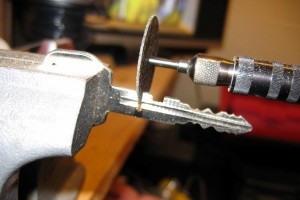
- Remove the lock from the door utilizing a screwdriver.
- Check for broken components; change if essential.
- Re-install the lock and ensure it engages correctly.
5. Repairing Damaged Door Frames
A broken door frame can result in larger problems.
Steps:
- Assess the damage; for small cracks, use wood glue to fill.
- Usage clamps to hold the area until it dries.
- Spot with wood filler if required and sand smooth.
6. Refinishing Peeling Paint
Visual appeals matter, too.
Actions:
- Remove any loose paint with a scraper.
- Sand the area smooth.
- Clean the surface area and apply new paint or stain.
Frequently Asked Questions (FAQs)
Q1: How do I know if I need to change my door rather of repairing it?
A1: If the door is distorted, thoroughly cracked, or damaged beyond repair, it might be more cost-effective to replace it.
Q2: Can I fix a door myself, or should I hire an expert?
A2: Many typical door problems can be dealt with as DIY jobs. However, if you're unpleasant with repairs or the damage is extensive, working with a professional is advisable.
Q3: What are the best lubricants for door hinges?
A3: WD-40, silicone spray, and graphite powder are exceptional lubricants for door hinges.
Q4: How can I avoid my doors from sticking in the future?
A4: Ensure appropriate ventilation and maintain a constant indoor humidity level. Frequently examine hinges and locks for wear and lube them.
Q5: Is it essential to repaint or stain my door after repairs?
A5: While not always necessary, refinishing your door after repairs can improve visual appeals and secure the wood from moisture and other components.
Both visual appeal and practical integrity are critical for doors in any home. Regular maintenance and prompt repairs can lead to a longer life-span for your doors. By understanding common problems and possessing fundamental repair abilities, homeowners can have confidence in their ability to preserve their property successfully.