자유게시판
- Home
- 고객센터
- 공지사항
고객센터
10 Baby Cot That Are Unexpected
페이지 정보

본문
Navigating the World of Baby Cots: A Comprehensive Guide
Picking the best baby cot is one of the most vital choices expectant parents will make. This piece of furnishings is not just a location for a baby to sleep; it is a significant element of their safety, convenience, and early advancement. Provided the well-being of their kids, parents are typically overwhelmed with the plethora of choices available. In this detailed guide, we'll check out the vital functions, types, security standards, and maintenance tips for baby cots.
What is a Baby Cot?
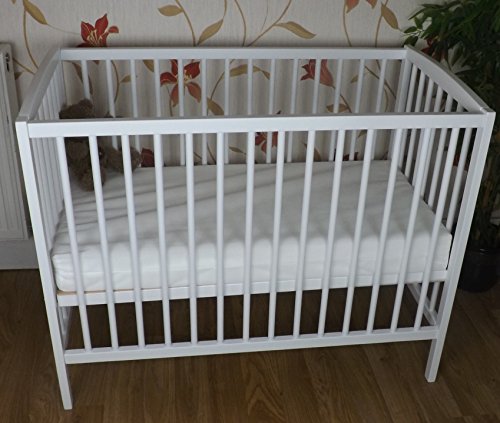
A Baby beds cot is a small bed created specifically for infants and young children that makes sure both convenience and security while they sleep. They are available in numerous sizes, designs, and materials, dealing with moms and dads' diverse preferences and home environments. While the primary function of a cot is to offer a secure location for a baby to sleep, contemporary designs also highlight visual appeals, adaptability, and sustainability.
Types of Baby Cots
There are numerous kinds of baby cots readily available on the market today. Each type serves different needs and preferences, as laid out in the table listed below:
| Type of Cot | Description | Pros | Cons |
|---|---|---|---|
| Standard Cot | A traditional baby crib, usually made from wood or durable products. | Durable, timeless style, and different designs readily available. | Can take up significant area. |
| Convertible Cot | A cot that can transform into a toddler bed, daybed, or perhaps a full-sized bed. | Long-term financial investment; grows with the kid. | Higher initial cost. |
| Portable Cot | Light-weight, quickly collapsible for travel or Tots Furniture storage functions. | Ideal for travel or minimal areas. | May absence toughness compared to standard cots. |
| Co-Sleeper | A sidecar bed that connects to the parent's bed, allowing close proximity. | Promotes bonding; simple access for nighttime feedings. | Less sleeping alternatives as the baby grows. |
| Moses Basket | A small basket, generally made of wicker, for newborns to sleep in. | Lightweight and portable; visually pleasing. | Really short life-span (only for babies). |
Security Features to Consider
When it pertains to baby cots, safety ought to be the top concern. Parents ought to make sure that their picked cot sticks to the following security functions:
Slat Spacing: The spacing between the slats ought to be no more than 2-3 inches apart to avoid the child's head from becoming trapped.
Durable Construction: Parents should try to find solid, durable wood or heavy-duty metal, making sure the cot does not wobble or squeak.
Non-toxic Finishes: Opt for cots made from non-toxic products and finishes to avoid damaging chemicals.
Adjustable Mattress Heights: Cots with adjustable bed mattress heights permit for easy access to the baby and can be reduced as the child grows and begins to stand.
No Drop-Side Designs: Ensure that the cot does not have a drop-side function, as these have been linked to security threats.
Appropriate Mattress Fit: The bed mattress needs to fit comfortably within the cot bed sales frame, with no spaces to avoid entrapment.
Maintenance Tips for Baby Cots
Maintaining the cot is necessary for guaranteeing the baby's security and lengthening its lifespan. Here's a list of upkeep ideas:
Regular Inspections: Routinely inspect for any loose screws or damage to the cot structure and change or repair as needed.
Tidiness: Wipe down the cot for sale with mild soap and water to keep it devoid of bacteria and allergens. Avoid harsh chemicals that could harm the baby.
Bed mattress Care: Ensure the mattress is totally free from any spots or mildew. Use a waterproof bed mattress protector for added health.
Follow Manufacturer Guidelines: Adhere to the producer's care directions and weight limitations.
When to Transition from a Cot
Moms and dads might wonder when to shift their child from a cot to a bed. There isn't a one-size-fits-all response; nevertheless, the following indications can show that a transition is needed:
Heightened Mobility: When the child shows the capability to climb out of the cot.
Age: Generally, transitioning takes place around 2-3 years of age when the kid grows out of the cot's dimensions.
Developmental Readiness: The child demonstrates preparedness for a bed, such as expressing interest in oversleeping a huge kid bed.
Regularly Asked Questions (FAQs)
1. What is the typical cost of a baby cot?
The typical expense of a baby cot can vary from ₤ 100 to ₤ 1,000, depending on factors such as brand, products, and included features.
2. For how long can my baby sleep in a cot?
Babies can normally sleep in their cot until they are around 2 to 3 years of ages, depending on their growth rate and mobility.
3. Are second-hand cots safe?
While some pre-owned cots can be safe, parents ought to make sure that they satisfy current safety policies and don't have any remembered components.
4. What mattress type should I utilize?
A firm and flat mattress is advised for babies to lower the danger of suffocation or Sudden Infant Death Syndrome (SIDS).
5. Should I use bedding in the cot?
For infants under 12 months, it's recommended to avoid loose bedding, pillows, and toys in the cot for security factors.
6. Can I use a cot for a newborn and toddler?
Yes, numerous cots are created to accommodate newborns and can be changed as your kid grows, particularly convertible styles.
Choosing the best cots for newborns baby cot is a significant decision that requires mindful consideration of security, performance, and style. By assessing the different kinds of cots readily available and comprehending their functions, parents can make an educated option that best fits their household's needs. With appropriate use, maintenance, and understanding, a baby cot can provide a safe sanctuary for your child, guaranteeing serene sleep and relaxing convenience as they grow.